What Does an Anti-Inflammatory Diet Actually Look Like?
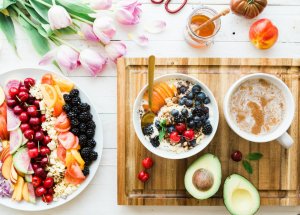
Anti-inflammatory foods, what does it look like?
Eating to Support Your Health Doesn’t Have to Be Complicated
Search “anti-inflammatory diet” online and pretty soon someone is trying to sell you a supplement, convince you never to eat bread again, or tell you that one particular food is poisoning your body.
It doesn’t have to be that complicated.
Last week, we talked about inflammation—what it is, why our bodies need it, and the difference between normal acute inflammation and chronic inflammation.
This week, let’s talk about something we actually have some control over:
What we eat.
Can our diet affect inflammation?
Yes.
But probably not in the way social media sometimes makes it sound.
There isn’t one magical food that eliminates inflammation. There isn’t one food that suddenly makes your entire body inflamed. And you don’t need to spend your life reading ingredient labels while being terrified of everything in the grocery store.
What matters most is the overall pattern of how you eat.
There Really Isn’t One “Anti-Inflammatory Diet”
There isn’t an official diet where you follow 12 rules for 30 days and suddenly become inflammation-free.
When researchers look at dietary patterns associated with better cardiovascular and metabolic health and lower levels of some inflammatory markers, one pattern appears repeatedly:
A diet emphasizing:
- Vegetables
- Fruits
- Beans and legumes
- Whole grains
- Nuts and seeds
- Fish
- Olive oil and other unsaturated fats
- Reasonable amounts of lean protein
And containing less:
- Highly processed food
- Refined carbohydrates
- Added sugars
- Processed meats
- Excessive alcohol
If that sounds familiar, it’s because it looks a lot like a Mediterranean-style diet.
And there’s nothing particularly exotic about it.
It’s mostly real food.
Start by Adding Things, Not Just Taking Things Away
I think this is where many diets go wrong.
They begin with a giant list of things you’re no longer allowed to eat.
No bread.
No dairy.
No sugar.
No red meat.
No potatoes.
No pasta.
No alcohol.
Pretty soon you’re standing in your kitchen wondering what’s left.
Instead, start by asking:
What could I add?
Could you add a vegetable to dinner?
Fruit with breakfast?
A handful of nuts instead of chips?
Fish once or twice a week?
Beans in a soup or salad?
Olive oil instead of another heavily processed dressing?
Water instead of another soda?
Improving your diet doesn’t necessarily require completely rebuilding it overnight.
Sometimes it means making the next meal a little better than the last one.
What Does This Actually Look Like for Breakfast?
Breakfast doesn’t have to come from a drive-through.
Some simple choices might include:
Oatmeal with berries and nuts.
Eggs with whole-grain toast and fruit.
Greek yogurt with berries.
A vegetable omelet.
Whole-grain toast with avocado and eggs.
It doesn’t need to be Instagram-worthy.
You just want something that provides reasonable nutrition without beginning every morning with a large dose of refined carbohydrates and added sugar.
And yes, you can still drink your coffee.
What About Lunch?
Lunch is where a lot of people get into trouble because they’re busy.
Suddenly it’s 1:30, you’re starving, and whatever is closest wins.
Planning even a little can help.
Try:
A salad with chicken, tuna, salmon, or beans.
Soup with a piece of whole-grain bread.
Leftovers from last night’s dinner.
A turkey or chicken sandwich with vegetables and fruit.
A grain bowl with vegetables and protein.
Again, we’re not trying to achieve nutritional perfection.
We’re trying to make a decent choice most of the time.
Dinner Can Be Remarkably Simple
Here’s an easy way to think about dinner:
Protein + vegetables + a sensible carbohydrate.
Chicken, fish, beans, lean meat, or another protein.
A good serving of vegetables.
Then potatoes, brown rice, whole grains, pasta, or another carbohydrate depending on your needs and preferences.
Add some healthy fat such as olive oil.
That’s dinner.
It doesn’t require an anti-inflammatory cookbook with 37 ingredients you’ve never heard of.
What About Snacks?
Snacks are another place where highly processed food can quietly take over.
Fruit.
Nuts.
Greek yogurt.
Vegetables with hummus.
A little cheese.
Whole-grain crackers.
These aren’t exciting recommendations.
That’s kind of the point.
Healthy eating is usually much less dramatic than the internet makes it sound.
Do I Have to Give Up Sugar?
No.
But most of us could probably eat less of it.
There is a big difference between having dessert after dinner occasionally and consuming large amounts of added sugar throughout the day in soda, sweetened coffee drinks, candy, baked goods, breakfast cereals, and processed snacks.
You don’t need to become afraid of a piece of birthday cake.
Look at the overall pattern.
If most of what you eat is reasonably nutritious, dessert can simply be dessert.
What About Red Meat?
Red meat doesn’t have to be treated like poison either.
How much you eat, what type you eat, how it’s prepared, and what the rest of your diet looks like all matter.
There’s also an important distinction between an occasional steak and frequently eating processed meats such as bacon, sausage, hot dogs, and certain deli meats.
You don’t necessarily need to eliminate red meat.
You may simply want to eat less of it, choose leaner options more often, and rotate in fish, poultry, beans, and other protein sources.
Does Dairy Cause Inflammation?
This gets repeated frequently online.
For most people, dairy isn’t automatically an “inflammatory food.”
If you have a diagnosed allergy, intolerance, or another medical reason to avoid certain dairy products, that’s different.
But there isn’t a good reason for everyone to eliminate dairy simply because they’ve been told it causes inflammation.
Foods such as plain Greek yogurt can actually be a useful source of protein and other nutrients.
What About Gluten?
Same idea.
People with celiac disease absolutely need to avoid gluten. Some other people may have medically relevant sensitivity or conditions requiring dietary modification.
But that doesn’t mean gluten causes systemic inflammation in everybody.
If you feel better after eliminating something from your diet, that’s worth discussing with an appropriate healthcare professional.
Just don’t assume everyone needs to give up bread because someone on the internet did.
Don’t Forget Protein
As we get older, maintaining muscle becomes increasingly important.
Protein helps support muscle maintenance and recovery.
That matters for strength.
Balance.
Mobility.
Independence.
And our ability to continue doing the things we enjoy.
Fish, poultry, eggs, dairy, beans, lentils, nuts, and lean meats can all contribute.
An anti-inflammatory diet shouldn’t accidentally become an under-eating diet.
We still need to adequately nourish ourselves.
What Should You Drink?
Mostly water.
There may be no less exciting health advice than that.
But hydration matters.
Coffee and tea can fit into a healthy diet.
An occasional soda isn’t going to ruin you.
The bigger concern is when sugary drinks become a major source of daily calories.
And alcohol deserves some honesty too.
If you drink, moderation matters. More alcohol isn’t better for inflammation—or for your overall health.
What About Supplements?
This is where the anti-inflammatory industry gets expensive.
Curcumin.
Ginger.
Green powders.
Antioxidant blends.
And a seemingly endless collection of capsules promising to reduce inflammation.
Some supplements have legitimate research behind particular uses.
That doesn’t make them substitutes for a good diet.
If your breakfast comes from a drive-through, lunch comes from a vending machine, dinner comes in a cardboard box, and you’re sleeping five hours a night, an expensive bottle of supplements probably isn’t where I’d start.
Get the basics right first.
Then discuss supplements with your physician or another qualified healthcare professional if there’s a reason to consider them, particularly if you take medications.
You Don’t Have to Eat Perfectly
I think this may be the most important part of the entire article.
You are going to eat pizza again.
Someone is going to have a birthday.
You’re going to go on vacation.
Thanksgiving is going to happen.
There may be ice cream.
That’s okay.
One cheeseburger isn’t the problem.
One piece of cake isn’t the problem.
And one salad isn’t going to make you healthy either.
It’s what you do most of the time that matters.
If 80 or 90 percent of your diet consists of reasonably nutritious food, there’s room to enjoy the rest of your life.
Food is nutrition.
But it’s also family, tradition, celebration, and enjoyment.
Healthy eating shouldn’t require being afraid of food.
Think About Your Overall Inflammatory Load
Diet is only one part of this.
As we discussed last week, our overall health is influenced by many things.
Physical activity.
Body composition.
Smoking.
Alcohol.
Underlying medical conditions.
And diet.
There isn’t one switch labeled INFLAMMATION that we can simply turn off.
Our goal is to stack the odds in our favor.
Take a walk.
Eat some vegetables.
Maintain your strength.
Get enough sleep.
Drink water.
Don’t smoke.
Go easy on alcohol.
Manage your weight.
Spend time with people you care about.
And eat reasonably well most of the time.
None of that is particularly glamorous.
But health usually isn’t built through dramatic changes.
It’s built through ordinary choices repeated over and over again.
Keep It Simple
If you’re trying to eat in a way that supports better overall health and may help reduce your chronic inflammatory burden, you don’t need to memorize a complicated diet.
Start here:
Eat more plants.
Eat more whole foods.
Get enough protein.
Eat fish regularly if you enjoy it.
Choose healthy fats.
Cut back on heavily processed food and excess added sugar.
Drink mostly water.
And then:
Enjoy your dinner.
You don’t need to fear food.
You don’t need to chase every new diet.
And you don’t need to be perfect.
Just keep making the next choice a reasonably good one.
That’s usually a pretty good place to start.