
Why Does My Lower Back Hurt After Driving?
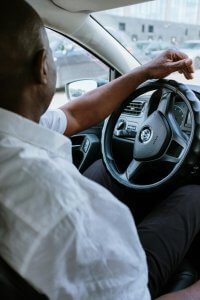
Why Does my back hurt after driving? Chiropractor in Arlington Heights.
For some people, it happens after a long road trip.
For others, it happens after their normal daily commute.
You get out of the car and immediately notice it.
Your lower back feels stiff, tight, sore, or difficult to straighten out. Sometimes it takes several steps before your body starts moving normally again.
At O’Hara Family Chiropractic in Arlington Heights, this is one of the most common patterns patients describe.
And the reason is usually not the car itself.
It is what prolonged driving does to your spine.
Driving Places Your Spine Under Constant Stress
Your spine is built for movement.
Driving does the exact opposite.
When you sit in a car for extended periods:
- Your hips stay flexed
- Your lower back remains compressed
- Your muscles work statically instead of dynamically
- Your spinal joints move very little
Over time, this creates stiffness and irritation.
The longer the drive, the more noticeable the stress becomes.
Why Sitting in a Car Is Worse Than Normal Sitting
Many people notice that sitting in a car feels worse than sitting in a chair.
There are several reasons for that.
While driving:
- Your body absorbs vibration from the road
- Your legs stay in one position
- Your pelvis often tilts backward
- You cannot shift positions naturally as often
These factors increase pressure on the lower back and spinal discs.
Even a relatively comfortable car seat can become stressful after enough time.
The Role of Spinal Discs
One of the biggest contributors to lower back pain after driving is disc pressure.
The spinal discs act as cushions between the vertebrae.
When you sit:
- Disc pressure increases
- The lower back loses some of its natural curve
- The discs absorb continuous compression
If a disc is already irritated or weakened, prolonged driving may aggravate it further.
That is why many people notice:
- Pain getting out of the car
- Difficulty standing fully upright
- Tightness after long drives
Muscle Tightness Builds Slowly
Driving also creates muscle fatigue and imbalance.
Common patterns include:
- Tight hip flexors
- Tight lower back muscles
- Weak glutes from inactivity
- Stiff hamstrings
These changes affect how your spine moves once you stand up again.
Your body essentially has to “reset” after sitting in one position too long.
Why It Often Hurts More After You Stop Driving
Many people say:
“I felt okay while driving, but terrible when I got out.”
This is extremely common.
While sitting, your body adapts temporarily to the position.
The problem appears during the transition back to standing and walking.
That is when:
- Tight muscles resist movement
- Stiff joints start moving again
- Compressed structures re-load differently
The first few minutes after driving are often the worst.
Poor Posture Adds More Stress
Posture inside the car matters more than people realize.
Common habits include:
- Leaning forward toward the wheel
- Slouching
- Sitting with a wallet in the back pocket
- Holding tension in the shoulders
Over time, these positions increase stress on the lower spine.
Small postural habits repeated daily create real physical consequences.
Long Commutes Add Up
One long road trip can irritate the back.
But daily driving may be even more significant.
A 30-60 minute commute each day means your spine spends hours every week under the same stress pattern.
Eventually:
- Stiffness increases
- Joints lose mobility
- Pain becomes easier to trigger
This is why many commuters feel like their back “always tightens up in the car.”
How Chiropractic Care Helps
Chiropractic care focuses on restoring proper movement to the spine and reducing mechanical stress.
When spinal joints move more normally:
- Muscles often relax
- Stiffness decreases
- Movement improves
- Pressure distributes more evenly
At O’Hara Family Chiropractic in Arlington Heights, care focuses on helping the body function more efficiently so everyday activities like driving place less stress on the spine.
Simple Ways to Reduce Driving Back Pain
A few small changes can help significantly:
- Adjust your seat to support upright posture
- Keep both hands relaxed on the wheel
- Take breaks during long drives
- Stretch after getting out of the car
- Avoid keeping a wallet in your back pocket while driving
Movement is one of the best things you can give your spine.
When to Get It Checked
If driving consistently causes:
- Lower back pain
- Leg pain or numbness
- Stiffness after sitting
- Pain that keeps worsening
it may be time to evaluate your spine.
Pain during everyday activities is often a sign your body is compensating around restricted movement or irritation.
Final Thoughts
Driving should not leave your back feeling locked up every day.
If it does, there is usually an underlying reason.
Most often, it comes down to prolonged sitting, disc pressure, muscle tightness, and reduced spinal movement over time.
At O’Hara Family Chiropractic in Arlington Heights, care focuses on restoring movement, reducing stiffness, and helping patients move comfortably again.
If your lower back hurts every time you get out of the car, your body may be telling you something important.