
Why Does My Back Hurt After Pulling Weeds?
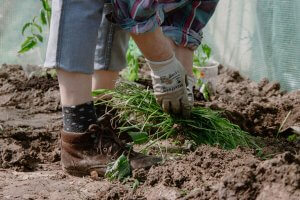
back pain and pulling weeds
Spring and summer are wonderful times of the year. Flowers bloom, gardens come alive, and many homeowners head outdoors determined to make their yards look their best.
Then the next morning arrives.
You get out of bed and discover your back has other opinions about yesterday’s gardening project.
At O’Hara Family Chiropractic in Arlington Heights, one of the most common seasonal complaints we hear is, “My back was fine until I spent the afternoon pulling weeds.”
The good news is that there is usually a very clear reason why this happens.
The even better news is that there are ways to reduce the risk of it happening again.
Pulling Weeds Looks Easy
That is part of the problem.
Most people don’t think of gardening as strenuous activity.
After all, you’re not lifting weights at the gym.
But pulling weeds combines several movements that can be surprisingly stressful on the spine:
- Bending forward
- Twisting repeatedly
- Reaching
- Squatting
- Kneeling
- Lifting yard waste
Individually, none of these movements are necessarily harmful.
The problem is repetition.
When you repeat these movements hundreds of times over the course of an afternoon, your back starts to notice.
Your Spine Was Designed for Movement
Your spine loves movement.
What it doesn’t love is staying in one position for long periods.
Unfortunately, pulling weeds often requires exactly that.
Many people spend extended periods:
- Bent over
- Looking downward
- Reaching forward
- Twisting slightly
As time passes, muscles fatigue and joints become irritated.
The result is often stiffness and soreness later in the day.
Bending Forward Creates Stress
One of the biggest contributors to gardening-related back pain is prolonged bending.
Every time you bend forward:
- Pressure increases within the spinal discs
- Muscles stretch under load
- Ligaments experience tension
- Spinal joints become compressed
Now multiply that by several hundred repetitions.
It’s easy to see why discomfort develops.
Many of the same mechanical stresses that cause pain while bending over also occur while gardening.
It’s Usually Not One Weed
Patients often say:
“I wasn’t doing anything heavy.”
That’s true.
The problem usually isn’t one difficult lift.
It’s thousands of small movements.
A single weed isn’t a problem.
Three hours of pulling weeds might be.
Small stresses add up over time.
Your body keeps compensating until eventually it starts sending warning signals.
Pain is one of those signals.
The Weekend Warrior Effect Strikes Again
This is another example of the “weekend warrior” phenomenon.
During the week many people spend most of their time:
- Sitting
- Driving
- Working at a desk
- Performing relatively predictable movements
Then Saturday arrives.
Suddenly the body is expected to perform hours of physical labor.
The jump in activity level is often greater than people realize.
The back may simply not be conditioned for the workload.
Why You Feel Worse the Next Day
One of the most frustrating things about gardening injuries is that they often don’t show up immediately.
Many people feel fine while working.
Then they wake up the next morning and can barely stand up straight.
Several factors contribute:
- Muscles tighten after activity
- Inflammation develops gradually
- Fatigue becomes more noticeable after rest
This delayed response is extremely common.
It doesn’t mean you seriously injured yourself.
It means your body is responding to stress.
When It May Be More Than Muscle Soreness
Most gardening soreness improves with time.
However, certain symptoms deserve attention.
Watch for:
- Pain shooting into the leg
- Tingling
- Numbness
- Weakness
- Burning pain
These symptoms may suggest nerve irritation rather than simple muscle fatigue.
When symptoms begin traveling into the leg, the lower back often deserves a closer look. Sciatica!
How Chiropractic Care May Help
Chiropractic care focuses on restoring proper motion to the spine.
When joints move properly:
- Muscles often function more efficiently
- Stiffness decreases
- Recovery improves
- Everyday activities become easier
Many patients find that addressing spinal restrictions helps them recover more comfortably after physically demanding activities like gardening.
The goal is not simply to get through today’s flare-up. The goal is to improve how your spine handles future activities.
Tips to Protect Your Back While Gardening
A few simple strategies can make a significant difference.
Change Positions Frequently
Avoid staying bent over for long periods.
Alternate between:
- Standing
- Kneeling
- Squatting
- Walking
Take Short Breaks
A brief break every 20 to 30 minutes can help reduce accumulated stress.
Use Gardening Tools
Long-handled tools reduce the need for excessive bending.
Work in Smaller Sessions
Instead of spending four hours gardening, consider breaking the work into smaller sessions over several days.
Stay Hydrated
Hydrated muscles and tissues tend to function better.
The Goal Isn’t to Stop Gardening
One of the biggest mistakes people make is avoiding activity altogether.
Movement is generally good for the body.
Gardening is good for the body.
The objective is not to stop doing the things you enjoy.
The objective is to help your body tolerate them better.
Final Thoughts
Pulling weeds may seem harmless, but the repetitive bending, twisting, reaching, and lifting can place significant stress on your spine.
That doesn’t mean you should avoid gardening.
It simply means your back may need a little more support than it used to.
At O’Hara Family Chiropractic in Arlington Heights, we help patients understand why these seasonal flare-ups occur and what can be done to reduce them.
If your back hurts every time you spend a day in the garden, there is probably a reason.
And there may be a better solution than simply waiting for the pain to go away.